Air Quality Mitigation Fund
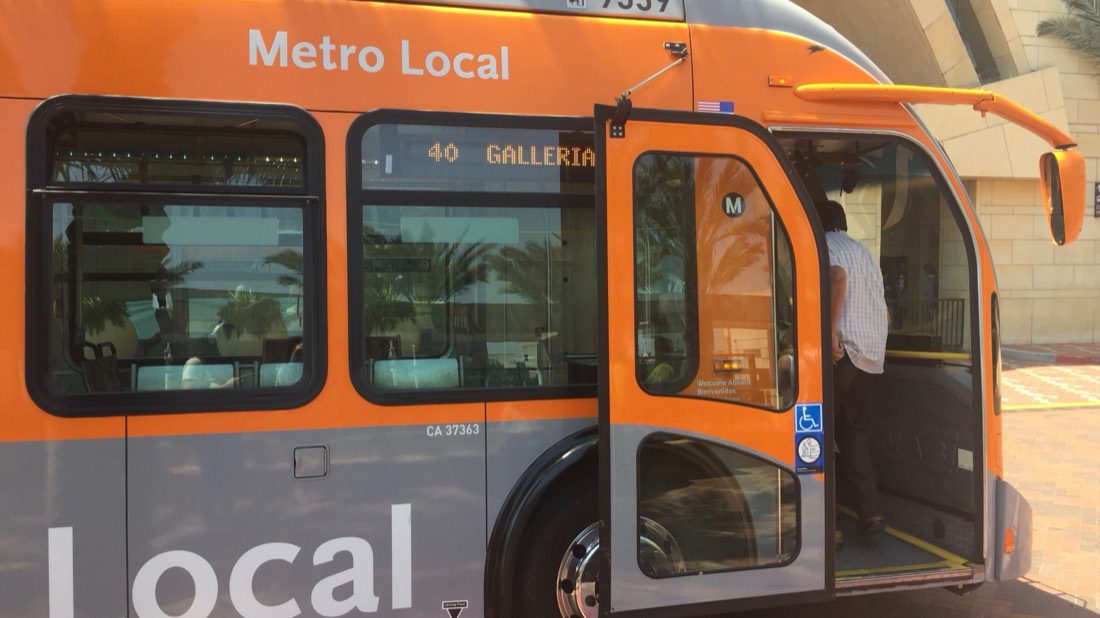
3COTECH has advised the Harbor Community Benefit Foundation (HCBF) on the application and selection process to award approximately $5 million in grants for technology demonstration projects aimed at reducing port-related pollution. In addition to its work on the Air Quality Mitigation Fund (AQMF) program, 3COTECH supported the HCBF team as part of the winning Port of LA proposal for the EPA Clean Ports Grant, contributing to the approach strategy, scope, and budget review. The firm also assisted with HCBF's organizational strategy development, reviewed relevant Port of LA documents, and supported the Healthy Homes initiative in partnership with USGBC-LA.
As part of the AQMF program, Kat Janowicz of 3COTECH conducted outreach, evaluated technology applications, provided procurement and contract support, and monitored project progress. She developed the application process, evaluation criteria (including emissions reduction, cost-effectiveness, and technology advancement), and CARB-based emissions calculation guidelines. Kat also revised and negotiated contracts with grantees, provided funding recommendations, and helped establish the review protocol. She identified and engaged subject matter experts, compiled expert reviews, and advised on risks, infrastructure readiness, and lessons learned from each round.
The program prioritized zero-emission, near-zero-emission, and emission-reduction technologies. Applicants were required to demonstrate measurable air quality improvements from port-related sources such as trucks, vessels, rail, and cargo-handling equipment. Round 1 funded Effenco's stop-start system for yard tractors at Yusen Terminals in the Port of Los Angeles. Round 2 supported WattEV's heavy-duty truck charging depot near the Port of Long Beach, featuring 13 fast chargers capable of simultaneously charging up to 26 trucks, along with a 2.57 MW battery storage system. Round 3, currently underway, focuses on barge-based technologies that capture and treat vessel emissions at berth—CARB-compliant systems that remove over 90% of pollutants from ship stacks.
Risk Assessment, Analysis, and Mitigation
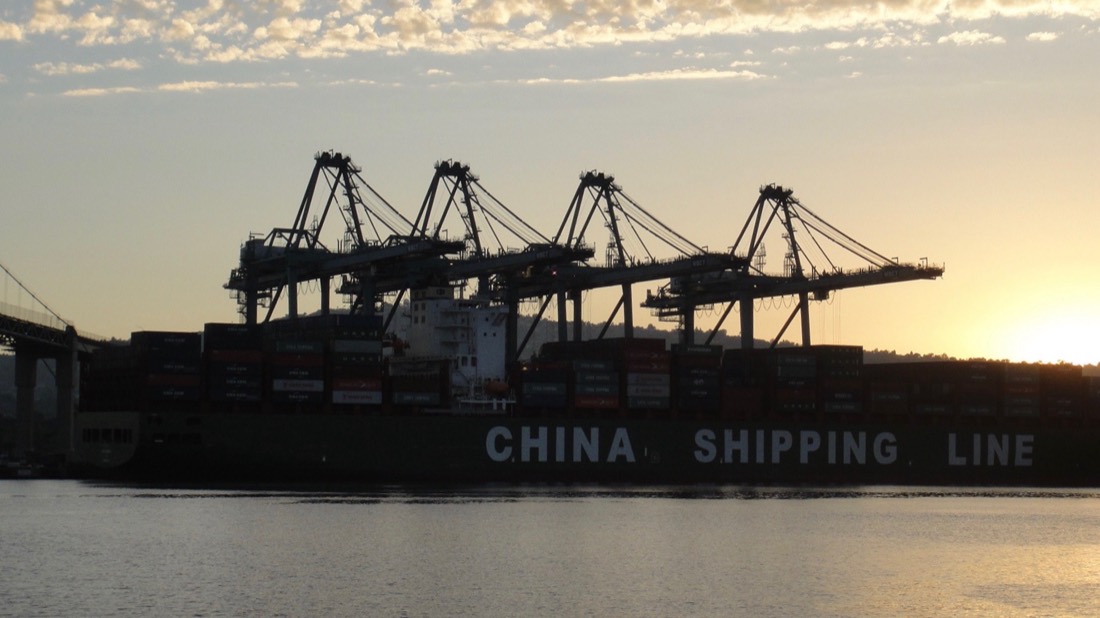
3COTECH has provided multi-level (policy, program, project) risk analysis, assessment, and mitigation services to the Port of Long Beach since 2012. Comprehensive qualitative and quantitative analyses helped to determine risk-adjusted contingencies for the project budget and schedule. 3COTECH identified risks and mitigation strategies, gathered and categorized stakeholder inputs, developed risk registers, and facilitated risk workshops. Projects included the Middle Harbor Terminal Redevelopment Program, Pier B railyard expansion, Tesoro (now Marathon Petroleum) MOTEMS, 3rd Floor Development, Pier G Shiploader, Pier D Quay Wall and Wharf Repairs, and Pier S Container Support Facility.
3COTECH evaluated risk processes, procedures, manuals, and tools and subsequently rewrote and updated the risk manual. Similarly, 3COTECH's in-depth review and gap analysis of the quality management system (QMS) resulted in further work on the QMS update and implementation strategy. 3COTECH also assessed POLB's continuous improvement process and updates to the Integrated Project Delivery Guidance, and assisted POLB with lessons learned activities for large, medium, and small projects. 3COTECH supported the development and improvement of the POLB risk and lessons learned databases, and reviewed the sustainability guidelines—Green Port Policy, Clean Air Action Plan (CAAP), and Port Sustainable Development Guidelines—equipping port staff with industry best practices.
Zero Emission Bus Master Plan
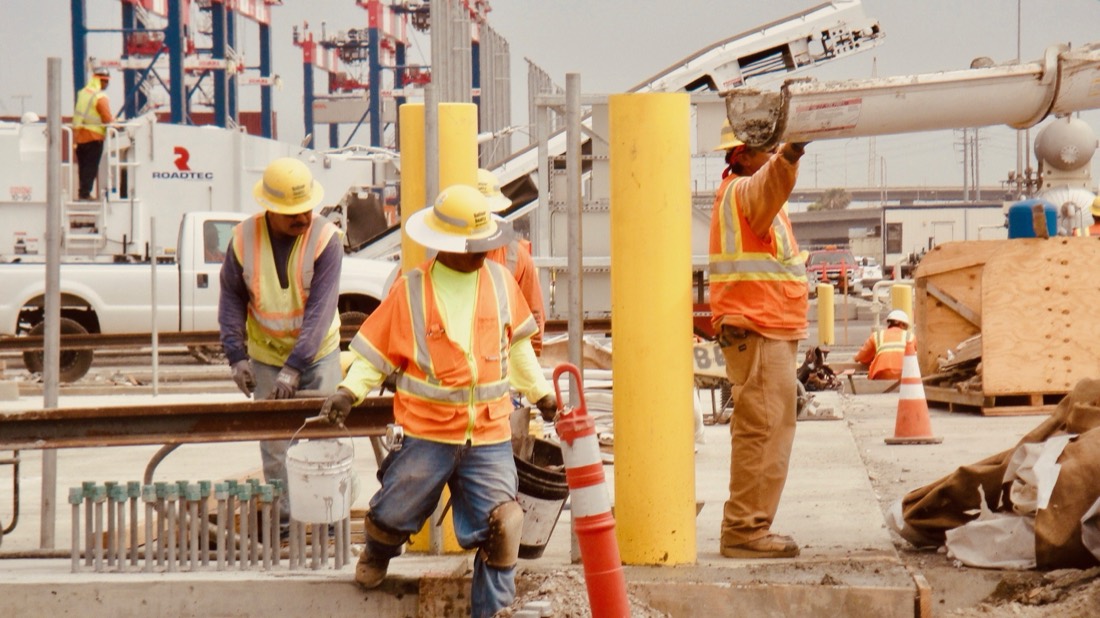
3COTECH has worked on Metro's Zero Emission Bus (ZEB) Master Plan as a subconsultant to ZEBGO Partners. The ZEB plan evaluates the entire Metro bus system—roughly 2,200 buses—and outlines the best strategy and anticipated cost to convert to zero-emission operations by 2030. 3COTECH helped set the framework for the ZEB master plan with relevant policies and initiatives that laid the foundations of Metro's commitment to a zero-emission fleet. It included gathering inputs from a diverse pool of experts, conducting extensive research on technology overview, market conditions, and training, and integrating it into a cohesive and concise document.
3COTECH developed a wide range of transition considerations—from Buy America provisions to sustainable sourcing and end-of-life disposal, to disadvantaged communities and equity framework, to resilience and decision making—and identified project risks. The ZEB master plan is a living document; its primary components include a review of existing conditions, approach and assumptions, modeling analysis, design concepts, power needs analysis, phasing and schedule for each division, cost and funding options, and transition considerations for Metro service, fleet, facilities, utilities, and operations. The first phase was the full electrification of its bus rapid transit routes, the G (Orange) and J (Silver) Lines.